
Introduction
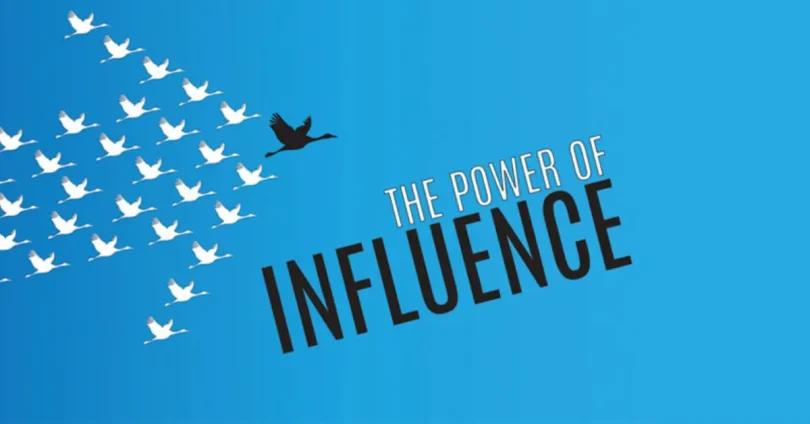
Introduces the concept of influence and power as defining forces in shaping leadership, success, and social dynamics in today’s interconnected world.
Meaning of Influence and Power in the Modern World
Explains influence as the ability to inspire, persuade, and guide others, while power represents access to resources, authority, and decision-making across professional, social, and digital spaces.
How Influence and Power Trends Have Evolved Over Time
Highlights the transition from traditional, position-based power to modern influence driven by communication skills, personal branding, networks, and technology.
Why Understanding These Trends Is Important Today
Emphasizes that recognizing how influence and power operate helps individuals adapt to change, build leadership presence, and create meaningful impact in a fast-evolving society.
The Evolution of Influence and Power
Explores how the sources and expressions of power have changed across time and society.
Traditional Power vs. Modern Influence
Examines the contrast between historical authority and contemporary forms of influence.
Authority-Based Structures
Explains power rooted in hierarchy, titles, and institutional control.
Influence Through Connection and Credibility
Highlights modern influence built on trust, expertise, and audience engagement.
Shift from Authority-Based Power to Impact-Based Power
Focuses on how real impact now defines power more than formal positions.
Value Creation and Problem Solving
Explains how those who create solutions and value gain influence.
Visibility and Thought Leadership
Highlights the role of ideas, communication, and public presence in shaping opinions.
Role of Globalization and Digital Transformation
Explores external forces accelerating the evolution of influence and power.
Global Connectivity
Explains how global networks expand reach beyond geographic boundaries.
Digital Platforms and Social Media
Highlights how online platforms democratize influence and amplify voices.
Speed of Information and Adaptability
Covers how rapid information flow rewards agility and innovation.
Major Influence Trends
Highlights the key ways influence is built, shared, and sustained in the modern world.
Digital Influence
Explores how online platforms have become powerful channels for shaping opinions and reach.
Social Media Platforms as Power Tools
Explains how platforms enable individuals to amplify their voice, visibility, and impact.
Personal Branding and Online Credibility
Highlights the importance of a consistent, authentic digital identity in building trust.
Content Creation and Audience Trust
Covers creating valuable, reliable content that strengthens long-term audience confidence.
Thought Leadership
Focuses on influence gained through knowledge, insight, and expertise.
Expertise as a Source of Influence
Explains how deep understanding and experience establish authority.
Speaking, Writing, and Knowledge Sharing
Highlights sharing ideas through public speaking, articles, and educational content.
Building Long-Term Authority
Covers maintaining credibility through consistency, relevance, and value creation.
Network-Based Influence
Examines how relationships and connections amplify power and opportunity.
Importance of Relationships and Connections
Explains how strong networks expand reach and open doors.
Strategic Networking and Mentorship
Highlights intentional relationship-building and learning from experienced leaders.
Community and Collaboration
Covers collective influence built through shared goals, partnerships, and collaboration.
Modern Power Trends
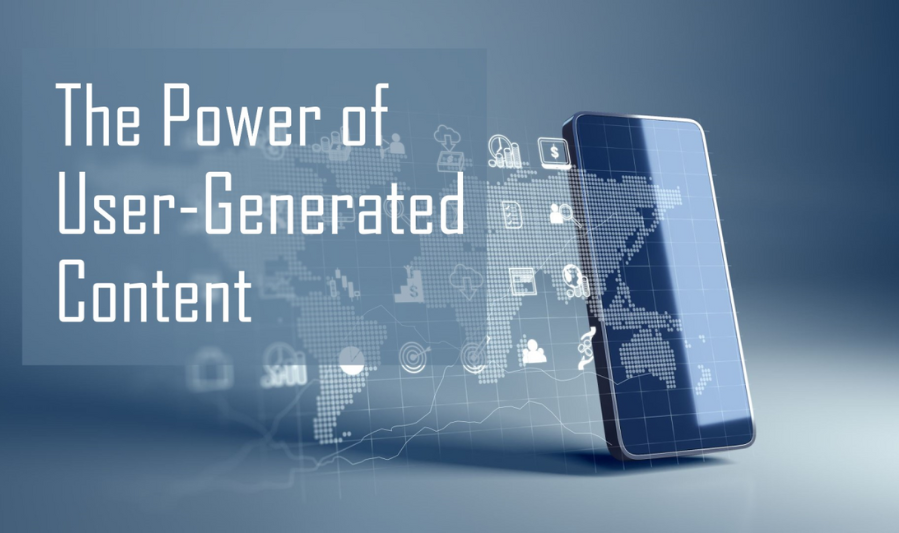
Examines how power is expressed, shared, and sustained in contemporary society.
Influence-Based Leadership
Explores leadership built on inspiration, collaboration, and shared vision rather than authority.
Collaborative Leadership Models
Explains leadership approaches that value teamwork, inclusion, and shared decision-making.
Emotional Intelligence and Communication
Highlights understanding emotions and clear communication as key leadership strengths.
Empowering Others to Build Authority
Covers how developing others’ skills and confidence strengthens collective power.
Ethical and Value-Driven Power
Focuses on power grounded in integrity, purpose, and values.
Transparency and Trust
Explains how openness and honesty build credibility and long-term influence.
Purpose-Driven Leadership
Highlights aligning actions and decisions with meaningful goals.
Social Responsibility and Impact
Covers using influence to create positive change in communities and society.
Technology and Power
Examines the growing role of technology in shaping modern power dynamics.
AI and Data-Driven Decision-Making
Explains how data and artificial intelligence support informed, strategic choices.
Digital Platforms and Control of Information
Highlights how managing information flow influences visibility and authority.
Adapting to Technological Change
Covers staying agile and informed in a rapidly evolving digital landscape.
Lifestyle and Image in Power Culture
Explores how appearance, behavior, and lifestyle choices reinforce influence and authority.
Personal Style and Professional Appearance
Focuses on using appearance as a strategic tool to project confidence and competence.
Consistent Personal Style
Explains how a refined and recognizable style builds credibility and presence.
Professional Dress and Grooming
Highlights polished attire and grooming as signals of discipline and respect.
Non-Verbal Communication
Covers posture, body language, and presentation as silent indicators of power.
Reputation Management and Public Image
Examines how perception shapes influence in social and professional environments.
Credibility and Trust
Explains maintaining reliability and integrity to protect long-term reputation.
Digital Footprint Management
Highlights managing online presence across platforms to align with desired image.
Handling Public Perception
Covers responding to feedback, criticism, and visibility with professionalism.
Luxury as a Symbol of Control and Success
Explores luxury as an expression of achievement rather than excess.
Purposeful Luxury Choices
Explains selecting quality and craftsmanship over flashy consumption.
Status Symbols and Subtlety
Highlights understated luxury as a sign of confidence and control.
Balance Between Power and Responsibility
Covers aligning luxury with ethical values and sustainable practices.
Media and Social Perception
Explores how media shapes public understanding of influence, power, and success.
Role of Media in Defining Influence
Examines how traditional and digital media frame authority and visibility.
Narrative Creation and Framing
Explains how stories, headlines, and visuals influence public perception.
Media Reach and Amplification
Highlights the power of media platforms to expand influence at scale.
Agenda Setting
Covers how media attention determines which voices and issues gain prominence.
Celebrity, Influencer, and Entrepreneur Impact
Explores how public figures shape modern definitions of power.
Celebrity Visibility
Explains how fame and recognition translate into social influence.
Influencer Culture
Highlights content creators as trendsetters shaping opinions and behaviors.
Entrepreneurial Authority
Covers founders and innovators gaining power through ideas and execution.
Authentic Influence vs. Manufactured Power
Examines the difference between genuine authority and image-driven perception.
Substance and Credibility
Explains influence rooted in expertise, values, and real impact.
Short-Term Visibility
Highlights risks of artificial or purely promotional power.
Long-Term Trust and Legacy
Covers how authenticity sustains influence over time.
How to Build Influence and Power
Outlines practical steps to develop lasting authority, credibility, and impact.
Developing Confidence and Communication Skills
Focuses on building self-assurance and the ability to express ideas clearly.
Self-Awareness and Presence
Explains understanding strengths and projecting calm, confident behavior.
Effective Verbal Communication
Highlights clarity, tone, and persuasion in conversations and presentations.
Non-Verbal Confidence
Covers body language, eye contact, and posture as indicators of authority.
Strengthening Personal Brand
Examines how a clear identity enhances visibility and credibility.
Defining Core Values and Expertise
Explains aligning skills and values to create a strong personal narrative.
Consistent Online and Offline Image
Highlights maintaining coherence across digital platforms and real-life interactions.
Reputation and Trust Building
Covers reliability, integrity, and value delivery as brand foundations.
You may also like to read these posts:
System Architecture Design Tips for Building Better Systems
Trend Forecast: Fashion Trends 2026 You Need to Know
Top Latest Fashion Style Trends to Update Your Wardrobe
Luxury Living Lifestyle Secrets for a Premium Way of Life
Expanding Professional and Social Networks
Focuses on relationship-building as a source of influence.
Strategic Networking
Explains forming purposeful connections that align with goals.
Mentorship and Peer Learning
Highlights guidance from experienced individuals and collaborative growth.
Community Engagement
Covers participation in groups and initiatives that amplify reach.
Continuous Learning and Self-Improvement
Emphasizes growth as essential for sustaining power and relevance.
Skill Development
Explains acquiring new competencies to stay competitive.
Knowledge Expansion
Highlights reading, research, and staying informed.
Adaptability and Reflection
Covers learning from experience and adjusting strategies over time.
Common Mistakes to Avoid
Highlights pitfalls that can undermine influence, credibility, and sustainable power.
Chasing Visibility Without Credibility
Emphasizes the risk of prioritizing attention over substance.
Superficial Recognition
Explains how seeking fame without expertise weakens authority.
Lack of Skill and Knowledge
Highlights the importance of competence as the foundation of influence.
Short-Term vs. Long-Term Impact
Covers how focusing solely on visibility can harm lasting reputation.
Overreliance on Status or Wealth
Examines the danger of equating power solely with material indicators.
Status Symbols vs. Actual Authority
Explains why luxury or titles do not automatically create influence.
Fragile Influence
Highlights how reliance on external markers can be temporary and unstable.
Balanced Approach
Covers integrating skill, strategy, and personal development alongside status.
Ignoring Ethics and Long-Term Reputation
Focuses on the consequences of unethical choices or shortcuts.
Compromising Integrity
Explains how unethical actions can destroy trust and credibility.
Reputation Damage
Highlights the long-term cost of decisions that prioritize gain over values.
Sustainable Influence
Covers the importance of aligning actions with ethics to maintain authority.
Faqs:
What are influence and power trends?
They are evolving patterns in leadership, social impact, and personal prestige that define how individuals gain authority and respect in modern society.
Why are these trends important?
Understanding these trends helps professionals and entrepreneurs build credibility, expand networks, and achieve personal and professional success.
Can anyone adopt these trends?
Yes. With the right mindset, consistent habits, and strategic networking, anyone can leverage modern influence and power trends.
Do these trends depend on wealth or status?
Not entirely. Influence often comes from expertise, reputation, relationships, and personal branding, not just financial resources.
How can I stay updated on the latest influence and power trends?
Follow thought leaders, track industry developments, engage with professional networks, and observe emerging lifestyle and leadership patterns.
Conclusion
Modern influence and power trends go far beyond wealth or formal authority—they reflect how individuals lead, connect, and create meaningful impact. By understanding these trends, cultivating strong personal branding, building strategic networks, and continuously improving skills, anyone can position themselves as an influential and respected figure. Authenticity, adaptability, and purposeful action are the keys to leveraging these trends for lasting personal and professional success.