


The most elegant people in any room are rarely the most obviously fashionable. Their clothes fit perfectly, their fabrics look rich up close, and nothing about them seems to be trying too hard. That is the essence of quiet luxury, and it sits at the centre of today’s elite fashion trends. While fast cycles push a new silhouette, colour and logo every few weeks, the wardrobes that truly signal status are built on the opposite principle: fewer pieces, better made, chosen to last for years rather than a season.
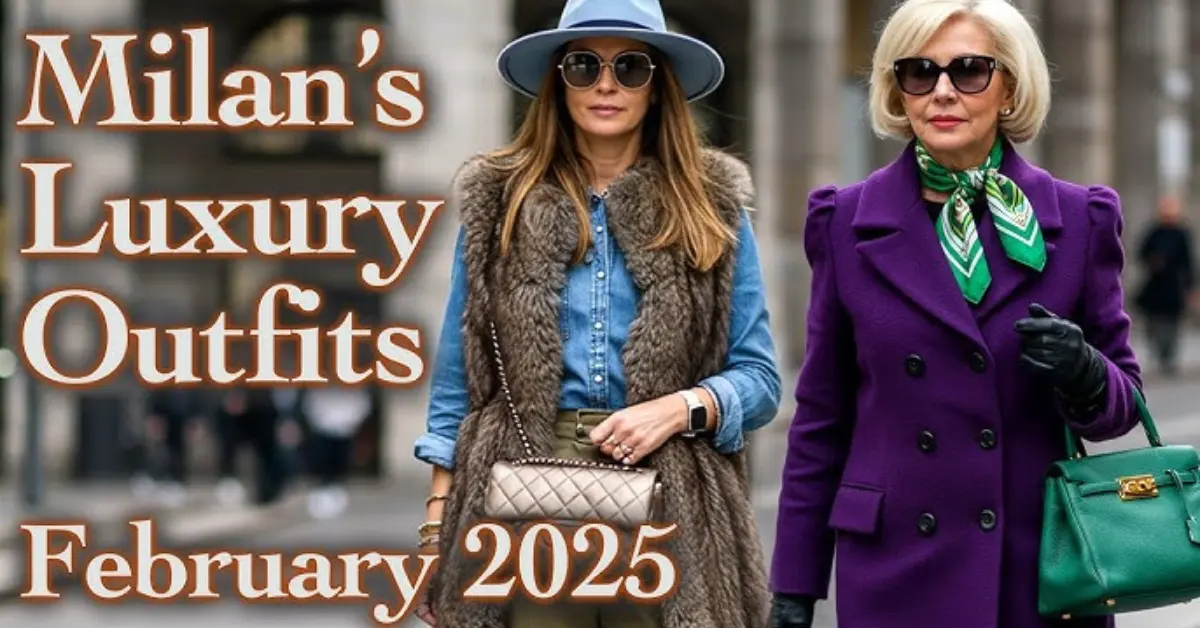
This approach is not about spending more. It is about spending differently — on cut, cloth and craftsmanship instead of on branding — and about knowing which details the eye registers as expensive even when it cannot name why. The choices below will help you build that kind of wardrobe, whether you are starting from scratch or refining a collection you already own.
Fit Is the First Sign of Luxury
Before fabric, before label, before colour, there is fit. A modest suit tailored precisely to the body will always look more luxurious than an expensive one that pulls at the shoulders or pools at the ankle. Shoulders should sit where your shoulders end. Sleeves should show a sliver of shirt cuff. Trousers should break cleanly, and dresses should skim rather than cling or sag.
This is why people who dress well for decades almost always have a relationship with a good tailor. Buying a well-made piece and having it adjusted is one of the smartest moves in elite fashion trends today, because it turns something available to everyone into something that appears made for you alone. Budget for alterations when you shop, and treat them as part of the price of the garment, not an optional extra.
Fit also means dressing for the body you have now. Clothes kept for a hoped-for future size, or worn despite no longer sitting right, undermine even the finest wardrobe. Regular, honest editing — keeping what fits and flatters today — keeps your appearance current and composed.
Choose Fabrics That Age Beautifully
Quiet luxury is tactile. Natural fibres such as wool, cashmere, silk, linen and high-quality cotton look richer because they move, breathe and age differently from synthetic alternatives. A cashmere coat softens with wear. Good leather develops a patina that tells a story. Linen creases, yes, but in a way that reads as relaxed confidence rather than carelessness when the cut is sharp.
Learn to read a garment with your hands. Weight, smoothness and density tell you more than a label does. Hold knitwear up to the light to check for thin patches, examine stitching for evenness, and check that linings are complete rather than partial. These small inspections, repeated over years, build an instinct for quality that no trend report can give you.
Care extends the life of beautiful fabrics. Store knitwear folded, give shoes rest days between wears, use proper hangers for tailoring, and clean pieces only as often as they need. A wardrobe maintained with this kind of attention looks expensive for far longer, which is precisely why elite fashion trends keep returning to craftsmanship over volume.
Build a Palette That Works Together
Look at the wardrobes of consistently well-dressed people and a pattern emerges: a restrained core palette. Navy, charcoal, black, cream, camel, white and soft grey mix almost endlessly, which means fewer pieces create more outfits, and every outfit looks considered. Colour is not banned — a deep burgundy, a forest green or a single striking accessory can lift the whole effect — but it is used deliberately, against a calm background.
This restraint is also what makes getting dressed effortless. When most of your wardrobe coordinates, you spend less time deciding and look more polished when you are in a hurry. Personal presentation matters in professional and social life alike, in the same way that the details of any public profile do. Just as creators studied in our look at the best OnlyFans pages and what top creators do well succeed through a consistent, recognisable image, a personal style that is coherent reads as confident and intentional.
Develop your own version of the palette. Your skin tone, hair and lifestyle should guide which neutrals lead. The point is not to copy someone else’s uniform, but to find the range in which you always look like yourself at your best.
Let Logos Whisper, Not Shout
Perhaps the clearest signal within elite fashion trends is the retreat of the visible logo. Wealth that is secure in itself rarely needs to announce its price. Unbranded leather goods, unmarked cashmere and tailoring recognised only by its cut have become the markers of taste, precisely because they can only be appreciated up close, by people who know what they are looking at.
This does not mean avoiding designer houses. Many of the finest makers produce beautifully plain pieces alongside their branded lines. It simply means choosing the piece for its quality and design, not for the signal it sends across a room. If an item would lose its appeal with the logo removed, it is probably not a quiet luxury purchase.
The same judgement applies online and off. Whether you are presenting yourself at an event or through a digital profile, polish lies in accuracy and consistency — avoiding the common errors our article on feedback forms and mistakes to avoid before you start discusses in a different context: small, careless details undermine an otherwise strong impression. In fashion, the equivalent details are scuffed shoes, a creased collar or a bag that has seen better days.
Invest in the Pieces You Wear Most
A useful way to prioritise spending is cost per wear. A coat worn a hundred times over five winters, boots resoled and worn for a decade, or a watch worn daily for life can justify a significant price far more easily than a striking outfit worn twice. Direct your largest purchases toward your most frequent needs: outerwear, shoes, tailoring, and the bag you carry every day.
Anchor pieces like these also simplify everything around them. A beautiful coat elevates simple knitwear and trousers. Excellent shoes make an entire outfit look intentional. When the anchors are right, you need less of everything else, and your wardrobe becomes easier to maintain at a high standard.
Accessories deserve the same discipline. One fine watch, one pair of quality sunglasses, a small selection of jewellery that suits you — these outlast a drawer of novelty pieces. Choose them slowly, and let each one earn its place.
Dress With Respect for the Occasion
Finally, true elegance is social. Dressing well means dressing appropriately: respecting a dress code, a host, a culture or a workplace enough to meet it gracefully. The person who is slightly overdressed in a thoughtful way is rarely remembered badly; the person who visibly ignored the occasion often is. Keep a small mental catalogue of reliable outfits for formal, professional, relaxed and celebratory settings, so you are never improvising under pressure.
Elite fashion trends will keep evolving at the edges — a hemline here, a shoulder there — but their core is stable. Perfect fit, honest fabrics, a coordinated palette, quiet branding, investment in what you wear most, and respect for the occasion. Build on those foundations and your style will not date with the season. It will simply look, year after year, like quiet luxury.


