
Introduction
Sets the foundation for understanding modern power culture as a blend of influence, leadership, image, and values in today’s interconnected society.
Meaning of Modern Power Culture
Explains modern power culture as the ability to influence decisions, shape perceptions, and lead through credibility, communication, and personal branding rather than authority alone.
How the Concept of Power Has Changed in Today’s World
Highlights the shift from traditional, position-based power to influence driven by networks, digital presence, emotional intelligence, and value creation.
Importance of Modern Power Culture in Leadership and Lifestyle
Emphasizes how understanding modern power culture helps individuals build effective leadership, intentional lifestyles, ethical influence, and long-term success.
Evolution of Power Culture
Explores how power has transformed from rigid, hierarchical control to dynamic, influence-driven leadership in the modern world.
Traditional Power vs. Modern Power
Compares historical power structures with contemporary expressions of influence.
Authority-Based Power
Explains power rooted in titles, hierarchy, wealth, and institutional control.
Influence-Based Power
Highlights modern power built on credibility, communication skills, and the ability to inspire others.
Shift from Authority and Status to Influence and Credibility
Focuses on how trust and expertise now define real power.
Value Creation Over Position
Explains how individuals gain power by solving problems and creating impact rather than holding positions.
Reputation and Trust
Highlights credibility and consistency as key drivers of long-term influence.
Role of Globalization and Digital Transformation
Examines how global connectivity and technology have reshaped power dynamics.
Global Reach and Connectivity
Explains how globalization expands influence beyond geographic boundaries.
Digital Platforms and Visibility
Highlights the role of social media, online communities, and digital tools in amplifying power.
Speed of Information and Adaptability
Covers how rapid information flow rewards agility, innovation, and continuous learning.
Core Pillars of Modern Power Culture
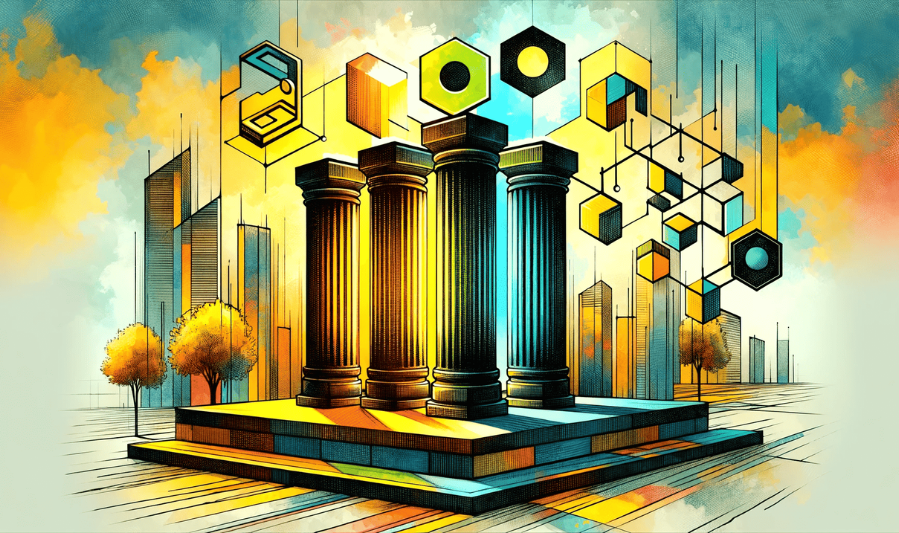
Explores the essential elements that define influence, leadership, and authority in today’s interconnected world.
Influence and Communication
Highlights the role of effective communication in establishing authority and shaping perception.
Power of Clear Communication
Explains how clarity, tone, and articulation strengthen credibility and presence.
Persuasion, Confidence, and Public Presence
Covers techniques to inspire, engage, and lead through personal confidence and poise.
Storytelling as a Modern Power Tool
Highlights using narratives to convey vision, values, and expertise, creating lasting influence.
Leadership and Mindset
Focuses on the mental and emotional traits that support effective modern leadership.
Emotional Intelligence and Self-Awareness
Explains understanding emotions, recognizing others’ perspectives, and adapting behavior strategically.
Strategic Thinking and Decision-Making
Highlights the ability to plan, prioritize, and make informed choices that drive impact.
Discipline, Consistency, and Resilience
Covers building habits, maintaining focus, and overcoming setbacks to sustain influence.
Personal Branding and Identity
Examines how image, style, and values enhance recognition and trust.
Importance of Image, Style, and Values
Explains how personal presentation reflects competence and authority.
Building a Trustworthy and Powerful Personal Brand
Highlights aligning skills, behavior, and messaging to establish credibility.
Online and Offline Reputation Management
Covers maintaining a coherent and respected presence across digital and real-world interactions.
Network and Social Capital
Explores relationships as critical assets for influence and opportunity.
Value of Relationships and Connections
Explains the benefits of cultivating meaningful, high-impact relationships.
Strategic Networking and Mentorship
Highlights intentional connection-building and learning from experienced individuals.
Collaboration Over Competition
Covers leveraging partnerships and collective expertise to expand influence.
Technology and Visibility
Focuses on digital tools and platforms that amplify modern authority.
Social Media as a Power Platform
Explains using platforms to enhance reach, credibility, and engagement.
Digital Influence and Content Creation
Highlights producing valuable content that attracts, educates, and inspires audiences.
Technology-Driven Authority
Covers leveraging data, analytics, and digital presence to strengthen perceived expertise.
Modern Power Culture and Lifestyle
Explores how lifestyle choices reflect authority, influence, and intentional living in today’s world.
Purpose-Driven Luxury
Highlights using luxury to enhance life meaningfully rather than for show.
Intentional Consumption
Explains selecting high-quality, meaningful items that align with values.
Experiences Over Possessions
Covers investing in enriching experiences that foster growth, learning, and influence.
Subtlety and Elegance
Highlights understated luxury as a signal of confidence and refined taste.
Quality Living vs. Excessive Display
Examines the difference between mindful, sophisticated living and superficial status-seeking.
Functional and Elegant Spaces
Explains designing environments that support productivity, comfort, and aesthetic appeal.
Balance and Moderation
Highlights avoiding overconsumption while enjoying life’s finer things.
Sustainability and Longevity
Covers investing in items and experiences that provide lasting value.
Health, Wellness, and Self-Care as Power Assets
Focuses on personal well-being as a foundation for sustained influence and performance.
Physical Fitness
Explains how regular exercise enhances energy, presence, and resilience.
Mental Wellbeing
Highlights mindfulness, stress management, and emotional intelligence.
Daily Habits for Peak Performance
Covers routines that optimize productivity, focus, and overall effectiveness.
Ethics and Responsibility in Power Culture
Explores the critical role of integrity, accountability, and ethical decision-making in sustaining influence and authority.
Ethical Leadership and Accountability
Highlights leading with integrity to maintain credibility and inspire trust.
Transparency in Actions
Explains being open and honest in decisions and communications.
Responsibility for Outcomes
Covers owning both successes and failures as a mark of true leadership.
Leading by Example
Highlights modeling ethical behavior to influence teams and communities.
Using Power Responsibly
Focuses on exercising influence in ways that create positive impact rather than harm.
Decision-Making with Purpose
Explains considering the broader consequences of actions before executing decisions.
Balancing Authority and Empathy
Highlights the importance of compassion while exercising control.
Avoiding Abuse of Influence
Covers resisting shortcuts or manipulative tactics that compromise values.
Long-Term Reputation and Trust
Examines how ethical behavior and responsibility preserve lasting influence.
Building Enduring Credibility
Explains how consistency in values and actions strengthens authority over time.
Protecting Personal and Brand Image
Highlights the impact of reputation on opportunities, networks, and legacy.
Sustained Influence
Covers how trust and respect are foundational to long-term power and leadership.
Media and Public Perception
Explores how media and public visibility shape modern power culture, influence, and authority.
How Media Shapes Modern Power Culture
Highlights the role of traditional and digital media in framing authority and influence.
Narrative Framing and Storytelling
Explains how media constructs stories that affect public perception of leaders and influencers.
Visibility and Reach
Covers the amplification of influence through media platforms and coverage.
Agenda Setting
Highlights how media determines which individuals, ideas, or trends gain prominence.
Influencers, Entrepreneurs, and Public Figures
Examines how public figures shape modern definitions of power and influence.
Celebrity and Entrepreneurial Authority
Explains how fame, innovation, and business success translate into social influence.
Influencer Culture
Highlights social media personalities as trendsetters and opinion leaders.
Impact on Society and Trends
Covers how public figures shape consumer behavior, leadership norms, and lifestyle aspirations.
Authentic Influence vs. Artificial Status
Distinguishes genuine authority from image-based or superficial power.
Substance Over Appearance
Explains how credibility, skill, and results sustain true influence.
Risks of Manufactured Power
Highlights the temporary nature of influence built solely on image or promotion.
Building Long-Term Trust
Covers strategies for maintaining authentic influence and a respected reputation.
You may also like to read these posts:
System Architecture Design Tips for Building Better Systems
Trend Forecast: Fashion Trends 2026 You Need to Know
Top Latest Fashion Style Trends to Update Your Wardrobe
Luxury Living Lifestyle Secrets for a Premium Way of Life
How to Build Modern Power Culture in Your Life
Outlines practical strategies to cultivate influence, authority, and a high-impact lifestyle.
Developing Confidence and Communication Skills
Focuses on self-assurance and effective expression as foundations of modern power.
Self-Awareness and Presence
Explains understanding your strengths and projecting confidence in every interaction.
Verbal and Non-Verbal Communication
Highlights clear speech, persuasive messaging, body language, and posture as tools of influence.
Public Speaking and Storytelling
Covers using narratives and presentations to inspire, persuade, and lead.
Strengthening Leadership Qualities
Emphasizes mindset, decision-making, and emotional intelligence as leadership essentials.
Strategic Thinking and Problem-Solving
Explains analyzing situations, making informed decisions, and anticipating challenges.
Emotional Intelligence
Highlights understanding and managing your emotions and those of others.
Discipline, Consistency, and Resilience
Covers building habits and resilience to sustain long-term influence and authority.
Building a Strong Personal Brand
Examines how image, values, and reputation contribute to lasting influence.
Defining Core Values and Identity
Explains aligning actions, style, and goals with personal principles.
Online and Offline Presence
Highlights consistent branding across social media, professional networks, and real-life interactions.
Trust and Credibility
Covers delivering on promises and maintaining integrity to enhance authority.
Expanding Networks Intentionally
Focuses on strategic relationship-building to increase influence and opportunities.
Purposeful Networking
Explains connecting with individuals who align with your vision and goals.
Mentorship and Collaboration
Highlights learning from experienced leaders and fostering mutually beneficial partnerships.
Community Engagement
Covers active participation in professional and social communities to grow reach and impact.
Continuous Learning and Growth
Emphasizes lifelong development as a key pillar of modern power culture.
Skill Enhancement
Explains acquiring new competencies relevant to your personal and professional goals.
Knowledge Expansion
Highlights staying informed about industry trends, global events, and innovations.
Reflection and Adaptability
Covers learning from experiences and adjusting strategies to maintain relevance and influence.
Faqs:
What is modern power culture?
Modern power culture is a way of leading and living that emphasizes influence, credibility, personal branding, and purposeful lifestyle over traditional authority or status.
Why is modern power culture important today?
Understanding modern power culture helps individuals build influence, make meaningful connections, and achieve professional and personal success in today’s fast-changing world.
Can anyone adopt modern power culture principles?
Yes. With the right mindset, disciplined habits, and focus on personal growth, anyone can develop influence and leadership aligned with modern power culture.
Does modern power culture rely on wealth or position?
Not entirely. While resources may help, true modern power comes from skills, relationships, credibility, and the ability to inspire and lead others.
How can I start building modern power culture in my life?
Focus on improving communication and leadership skills, developing a strong personal brand, expanding your network, maintaining ethical practices, and committing to continuous learning.
Conclusion
Modern power culture is about influence, credibility, and purposeful living rather than just authority or wealth. By focusing on leadership, personal branding, ethical influence, and continuous growth, anyone can position themselves as a respected and impactful individual. Embracing these principles allows you to lead with confidence, inspire others, and create lasting success in both personal and professional life.