
Introduction
Overview of Luxury Living in 2026
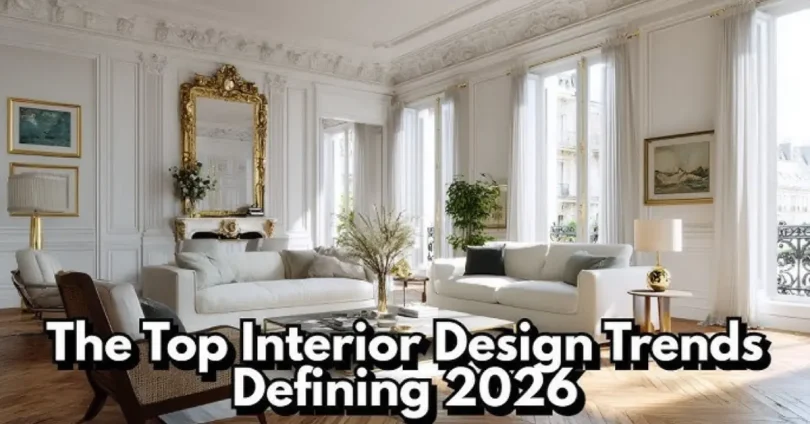
Luxury living in 2026 reflects a radical evolution from traditional notions of opulence. It’s no longer defined solely by grand spaces or high-end finishes, but by the seamless integration of technology, sustainability, personalization, and wellbeing. Homes are becoming intuitive environments that anticipate needs, celebrate comfort, and enhance quality of life. Smart automation, biophilic design, and experiential spaces are now distinguished features of elevated living standards that go beyond mere aesthetics.
This new era of luxury places equal importance on emotional fulfillment and functional excellence, with an emphasis on adaptability and mindful living. In 2026, luxury is truly about living better—not just living bigger.
How Lifestyles, Technology, and Design Are Evolving
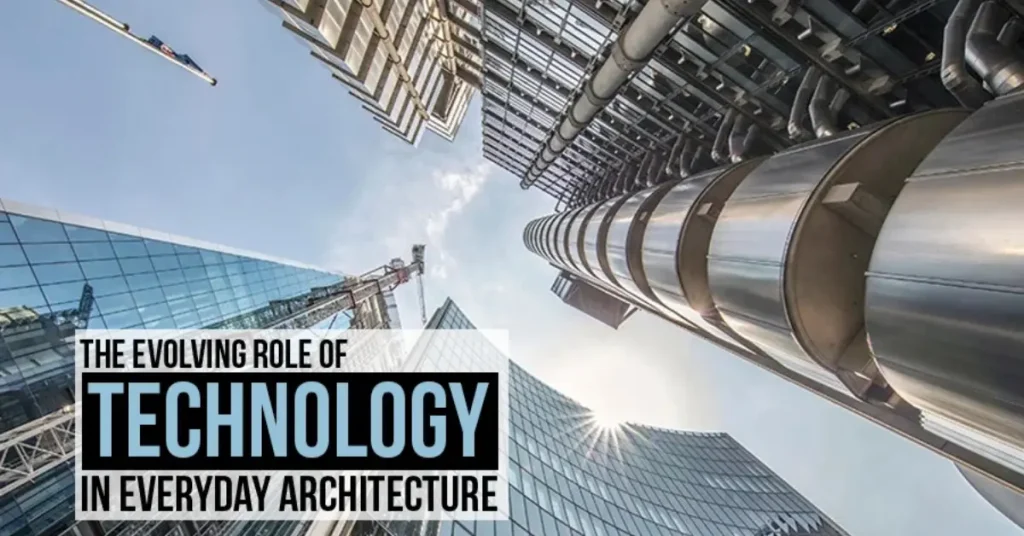
Luxury lifestyles in 2026 are driven by holistic experiences and advanced technologies. Key shifts include:
- Lifestyle Priorities: Today’s affluent homeowners value wellness, privacy, and meaningful experiences. Wellness spaces like meditation zones, home spas, and fitness studios are now standard, while privacy and comfort are paramount.
- Smart Technology: Homes are powered by AI-enabled systems that automate lighting, climate, security, and entertainment based on personal preferences. Voice and gesture control, predictive maintenance, and energy optimization are all commonplace.
- Sustainable Design: Eco-consciousness is woven into luxury. High-performance materials, energy-efficient systems, and renewable technologies like solar façades or geothermal heating are not only environmentally responsible but also status symbols.
- Customization & Flexibility: Spaces adapt to changing needs—think modular living rooms, convertible outdoor/indoor zones, and bespoke interiors tailored to individual tastes.
- Connected Living: High-bandwidth connectivity supports remote work, VR experiences, and digital art installations, making homes hubs of creativity and productivity.
Why Luxury Trends Matter for Modern Homeowners and Lifestyle Enthusiasts
Understanding luxury trends in 2026 matters for several reasons:
- Enhanced Quality of Life: These trends emphasize comfort, wellbeing, and convenience—helping homeowners design spaces that improve daily living, health, and happiness.
- Future-Ready Investments: Features like smart tech and sustainability boost property value and market appeal. Modern buyers increasingly seek homes that offer both luxury and efficiency.
- Inspiration for Personal Expression: Luxury trends often set the tone for broader design movements. Whether it’s a minimalist aesthetic or cutting-edge home automation, enthusiasts can adapt ideas to fit diverse tastes and budgets.
- Cultural Insight: Tracking how luxury evolves offers a window into shifting societal values—such as the rising importance of purposeful living, environmental stewardship, and digital integration.
Sustainable Luxury Living
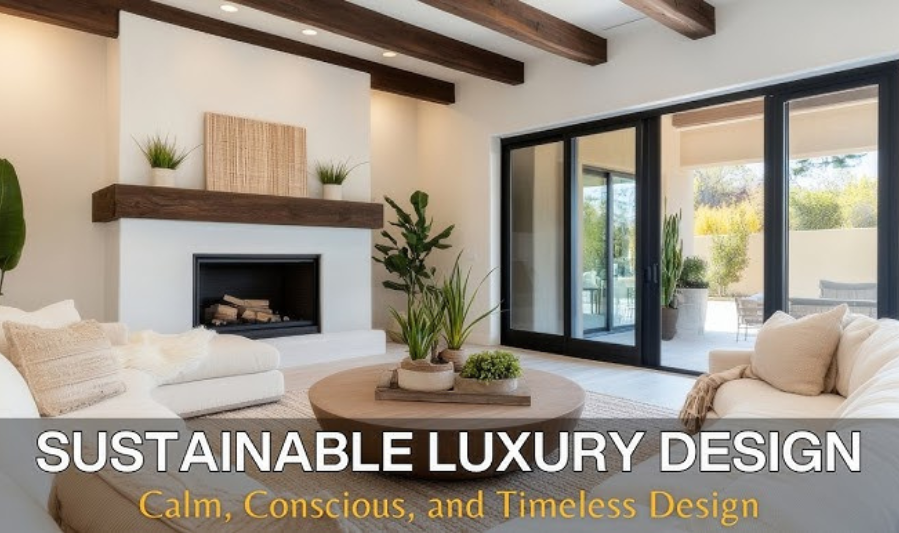
Luxury living in 2026 is increasingly defined by sustainability, combining elegance with environmental responsibility. Homeowners are no longer just investing in style—they are prioritizing eco-conscious choices that reduce environmental impact while enhancing comfort and aesthetics.
Eco-Friendly Materials and Finishes
Modern luxury homes use materials that are both durable and environmentally responsible. Examples include:
- Reclaimed wood for flooring and cabinetry, adding warmth and character.
- Low-VOC paints and finishes that improve indoor air quality.
- Recycled metals and glass in fixtures and surfaces, offering sophistication without waste.
These choices not only support sustainability but also create unique, high-quality interiors that stand the test of time.
Energy-Efficient Smart Homes
Technology plays a central role in sustainable luxury living. Smart systems optimize energy use while maintaining comfort:
- Automated lighting and climate control adjust based on occupancy and time of day.
- Solar panels and battery storage reduce reliance on conventional power grids.
- Intelligent water management systems minimize waste and support sustainable landscaping.
By combining convenience with conservation, these innovations make luxury living eco-friendly and cost-efficient.
Sustainable Furniture and Décor Choices
Sustainability extends to the furniture and décor in luxury homes:
- Upcycled and ethically sourced furniture blends elegance with responsibility.
- Organic fabrics for upholstery, curtains, and bedding reduce chemical exposure.
- Modular and timeless designs encourage longevity, reducing the need for frequent replacements.
This approach ensures that every element of the home—from structural materials to decorative accents—reflects a commitment to luxury with purpose, marrying aesthetic appeal with environmental mindfulness.
Smart Homes & Advanced Technology
In 2026, luxury living is inseparable from cutting-edge technology. Smart homes now offer seamless automation, enhanced comfort, and elevated lifestyle experiences, making daily living more intuitive and efficient.
AI-Powered Home Automation
Artificial intelligence transforms homes into responsive and intelligent environments.
Key Features:
- Predictive automation – Systems anticipate needs based on behavior patterns.
- Voice and gesture control – Effortlessly manage lights, appliances, and entertainment.
- Integrated ecosystem management – Links HVAC, lighting, security, and multimedia into a single intuitive interface.
AI ensures that luxury homes are not just beautiful, but also adaptable and intelligent, enhancing convenience and efficiency.
Smart Lighting, Climate, and Security Systems
Advanced systems make everyday living comfortable, safe, and energy-efficient.
Key Features:
- Adaptive lighting – Adjusts brightness and color temperature to match time of day, mood, or activity.
- Climate control systems – Optimizes temperature and air quality while minimizing energy consumption.
- Security integration – Smart cameras, motion sensors, and facial recognition provide safety without intrusion.
These technologies combine practicality with sophistication, creating a harmonious living environment.
Technology for Comfort, Convenience, and Wellness
Luxury technology increasingly focuses on personal wellbeing and lifestyle enhancement.
Examples:
- Home gyms and wellness zones – With virtual coaching and performance tracking.
- Smart sleep systems – Adjust mattresses, lighting, and temperature for optimal rest.
- Entertainment and immersive experiences – From VR home theaters to intelligent soundscapes.
By integrating these innovations, modern luxury homes offer unprecedented levels of comfort, efficiency, and wellness, ensuring that every moment at home is both effortless and enjoyable.
Minimalist Yet Personalized Interiors
Luxury living in 2026 embraces minimalism without compromising personality. Homes are designed to be clean, functional, and serene, while still reflecting the individuality of the homeowner.
Clean, Clutter-Free Design Trends
Minimalist interiors focus on simplicity and functionality, creating spaces that feel open and calming.
Key Features:
- Neutral color palettes – Whites, beiges, and soft tones dominate for a serene ambiance.
- Streamlined furniture – Sleek, simple designs maximize space and efficiency.
- Open layouts – Encourage natural light and fluid movement throughout the home.
These design trends reduce visual noise, fostering a peaceful and organized living environment.
Personalized Spaces Reflecting Lifestyle and Taste
Even in minimalism, luxury is highly personal.
How to Personalize:
- Custom shelving and storage – Designed to display curated collections or hobbies.
- Artwork and décor – Reflects the homeowner’s personality and experiences.
- Flexible multifunctional spaces – Adapt rooms for work, leisure, or creative pursuits.
The focus is on quality over quantity, ensuring every item in the home has meaning and purpose.
Statement Pieces in Minimalist Homes
A minimalist home doesn’t mean boring—it can feature bold statement elements that define the space.
Examples:
- Iconic furniture pieces – A sculptural chair or designer table as a focal point.
- Art installations – Large-scale paintings, wall sculptures, or lighting fixtures.
- Unique textures and materials – Marble, natural wood, or metals that stand out against neutral backgrounds.
By combining simplicity with carefully chosen highlights, modern luxury interiors feel refined, personal, and timeless.
Wellness-Focused Luxury Homes
In 2026, luxury living increasingly emphasizes wellbeing and holistic health. Homes are designed to nurture both the body and mind, turning daily routines into rejuvenating experiences.
Spa-Inspired Bathrooms and Wellness Rooms
Luxury homes are integrating personal wellness sanctuaries.
Key Features:
- Home spas and saunas – Offering relaxation and stress relief.
- Hydrotherapy showers and soaking tubs – With customizable temperature and pressure settings.
- Yoga, meditation, and fitness rooms – Dedicated spaces for physical and mental rejuvenation.
These spaces make wellness a daily, accessible luxury, right within the comfort of home.
Indoor Air Quality, Natural Light, and Biophilic Design
Design now prioritizes health-focused environmental factors.
Key Features:
- Advanced air filtration systems – Ensuring clean, breathable indoor air.
- Maximized natural light – Through large windows, skylights, and reflective surfaces.
- Biophilic elements – Indoor plants, living walls, and natural materials to connect residents with nature.
Such features improve both physical health and emotional wellbeing, creating serene, revitalizing interiors.
Mental and Physical Well-Being as a Luxury Priority
Wellness is no longer optional—it is a central pillar of luxury living.
Key Considerations:
- Mindful design – Quiet zones, minimal noise pollution, and soothing color schemes.
- Fitness integration – Smart home gyms, wearable integration, and wellness tracking systems.
- Stress reduction amenities – Soundproofing, aromatherapy systems, and customizable ambient lighting.
By embedding wellness into every aspect of design, modern luxury homes provide a holistic lifestyle experience, combining comfort, health, and rejuvenation.
Luxury Furniture & Interior Design Trends
Luxury living in 2026 emphasizes high-quality craftsmanship, versatility, and aesthetic harmony. Furniture and interior design are no longer just functional—they are key expressions of style and sophistication.
Premium Materials and Textures
Luxury interiors use top-tier materials to elevate elegance and tactile appeal.
Key Features:
- Natural stones and marbles – For countertops, flooring, and accent walls.
- Rich woods and metals – Polished, reclaimed, or sustainably sourced for furniture and décor.
- Textured fabrics – Velvet, linen, or organic cotton to add depth and comfort.
These materials create spaces that feel opulent yet timeless, combining beauty with durability.
Modular and Multifunctional Furniture
Modern luxury prioritizes flexibility and adaptability.
Key Features:
- Convertible sofas and seating – Adapt living areas for lounging, working, or entertaining.
- Modular storage solutions – Optimize space without compromising design.
- Expandable tables and partitions – Allow rooms to shift function as needed.
This approach ensures homes are both functional and elegant, catering to dynamic lifestyles.
Neutral Palettes with Bold Accent Elements
Color schemes in luxury interiors balance calm sophistication with striking focal points.
Key Features:
- Neutral bases – Whites, beiges, and grays for walls, flooring, and large furniture pieces.
- Bold accent pieces – Statement chairs, vibrant artwork, or decorative lighting.
- Textural contrast – Combine smooth, matte, and tactile surfaces to create visual interest.
By blending subtle foundations with standout elements, interiors feel refined, personalized, and visually engaging.
You may also like to read these posts:
System Architecture Design Tips for Building Better Systems
Trend Forecast: Fashion Trends 2026 You Need to Know
Top Latest Fashion Style Trends to Update Your Wardrobe
Luxury Living Lifestyle Secrets for a Premium Way of Life
Outdoor Luxury Living Spaces
Luxury living in 2026 extends beyond interiors, with outdoor areas designed to enhance relaxation, entertainment, and connection with nature. Modern homes focus on creating seamless, functional, and visually stunning outdoor environments.
Infinity Pools, Terraces, and Landscaped Gardens
Exquisite outdoor features are a hallmark of luxury.
Key Features:
- Infinity pools – Offer a sense of boundless space and serene views.
- Terraces and decks – Provide elevated lounging and dining experiences.
- Landscaped gardens – Blend natural beauty with curated design, including water features, sculptures, and native plants.
These elements create a luxurious retreat that complements indoor living.
Outdoor Lounges and Entertainment Areas
Luxury outdoor living emphasizes comfort, style, and social interaction.
Key Features:
- Covered seating areas – Ideal for year-round use, equipped with weatherproof furniture.
- Fire pits and outdoor kitchens – Perfect for entertaining and creating memorable gatherings.
- Ambient lighting – Soft, adjustable illumination enhances atmosphere and safety.
These spaces turn the outdoors into an extension of the home, designed for leisure and social experiences.
Seamless Indoor-Outdoor Living Concepts
Modern luxury homes focus on integrating interiors with exterior environments.
Key Features:
- Retractable glass walls and sliding doors – Merge living rooms with patios or gardens.
- Consistent flooring and design elements – Create visual continuity between indoor and outdoor spaces.
- Outdoor technology integration – Smart lighting, climate control, and audio systems extend convenience outdoors.
By blending indoor comfort with outdoor freedom, luxury homes in 2026 achieve fluid, harmonious living environments that maximize both space and lifestyle quality.
Affordable Luxury Living Ideas
Luxury living doesn’t always mean extravagant spending. With thoughtful planning and smart choices, any home can feel luxurious while remaining budget-friendly.
Smart Investments for a Luxurious Feel
Focus on upgrades that maximize style and value.
Key Strategies:
- Invest in standout pieces – A designer sofa, elegant lighting fixture, or premium rug can elevate the entire space.
- Affordable smart home devices – Smart thermostats, lighting, and security systems enhance convenience and sophistication.
- Long-lasting materials – Durable finishes like engineered wood or quartz countertops maintain elegance over time.
These investments create a high-end feel without overspending.
Decluttering and Space Optimization
An organized, spacious home instantly feels more luxurious.
Key Tips:
- Maximize storage – Use modular cabinets, built-ins, or hidden compartments.
- Minimalist approach – Keep only functional or visually appealing items.
- Defined zones – Assign specific areas for work, leisure, and dining to improve flow.
Smart organization makes your home look larger, cleaner, and more refined.
Small Upgrades with Big Visual Impact
Even minor changes can transform the look and feel of a space.
Ideas:
- Accent walls or statement lighting – Create focus points that draw attention.
- Textiles and décor – Luxury cushions, throws, rugs, and curtains can refresh interiors instantly.
- Updated hardware and fixtures – Modern handles, faucets, or switches add subtle sophistication.
By combining smart investments, decluttering, and small visual upgrades, homeowners can enjoy a luxurious living experience without a huge budget.
Faqs:
What defines luxury living in 2026?
Luxury living in 2026 is defined by a combination of technology, sustainability, personalization, and wellness, rather than just size or opulence. Modern luxury homes focus on comfort, convenience, and meaningful experiences.
How can I make my home feel luxurious on a budget?
You can achieve affordable luxury by investing in key statement pieces, optimizing storage, decluttering, and making small upgrades like accent lighting, high-quality textiles, or smart home devices. Smart choices create a refined, elegant feel without overspending.
Future of Luxury Living Beyond 2026
Current trends include minimalist yet personalized interiors, modular and multifunctional furniture, neutral palettes with bold accents, and sustainable materials. Homes now balance aesthetics with functionality, wellness, and eco-consciousness.
How important is wellness in modern luxury homes?
Wellness is a central pillar of luxury living. Features like spa-inspired bathrooms, home gyms, meditation spaces, biophilic design, and air quality optimization ensure physical and mental well-being is integrated into daily life.
How is technology shaping luxury homes?
Technology in luxury homes includes AI-powered automation, smart lighting, climate and security systems, and wellness-focused tech. These innovations make homes more convenient, energy-efficient, secure, and tailored to individual lifestyles.
Conclusion
Luxury living in 2026 is all about blending timeless elegance with modern innovation. From curated personal style and high-quality home design to wellness, technology, and mindful experiences, luxury is no longer just about opulence—it’s about intentional choices that enhance comfort, aesthetics, and lifestyle. By embracing these trends, anyone can elevate their daily life, making it both sophisticated and meaningful.